Leaving the Forces often means losing more than a job title. You leave a clear chain of command, trusted routines and a team that understands the standard required. A veteran charity franchise model is designed to replace uncertainty with a defined civilian route: build an independently owned business, gain practical skills and remain connected to a mission that supports the wider veteran community.
For many former service personnel, the question is not whether they can work hard. It is where that work ethic, leadership and commitment will be valued. Heating and plumbing offers a practical answer. Demand is local, customers need dependable professionals, and strong operational standards make a genuine difference to the service delivered.
What is a veteran charity franchise model?
A veteran charity franchise model combines commercial business ownership with a commitment to veteran welfare. The franchisee operates a local business for profit, under an established brand and operating framework. In parallel, the franchisor commits part of its profits or resources to veteran charities, transition support or related causes.
That distinction matters. It is not a charity asking veterans to volunteer their time, nor is it a conventional franchise that happens to use military imagery. The purpose is built into the model: helping former Armed Forces personnel create sustainable civilian careers while ensuring commercial success can contribute to the veteran community.
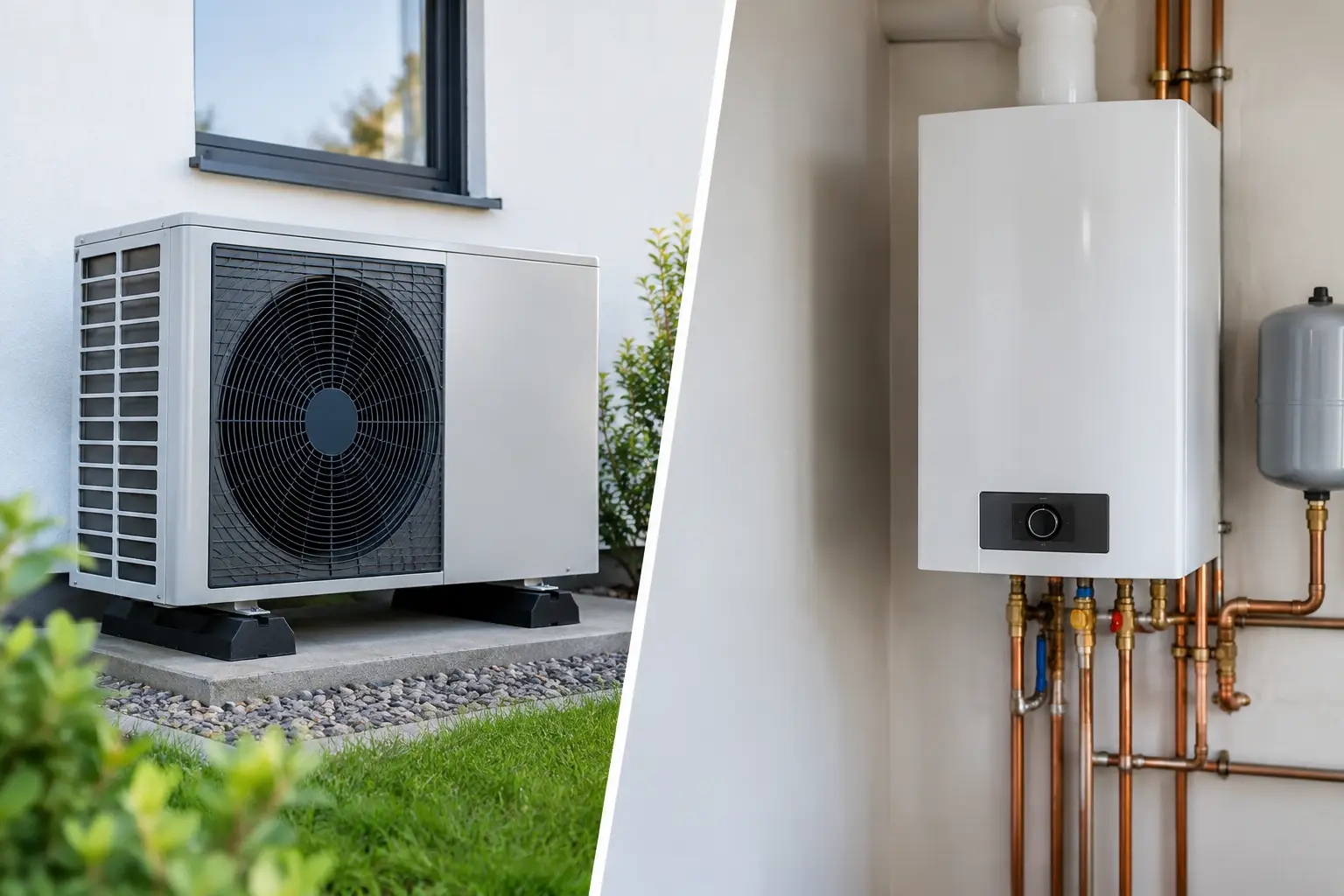
At Regimental Heating, that means supporting veterans, serving personnel preparing to leave, and reservists to establish domestic and light-commercial heating and plumbing businesses. Franchisees own their local businesses. They make decisions, build customer relationships and develop their territories, while drawing on central training, systems and ongoing guidance.
The charitable element should never be confused with a substitute for sound business planning. A franchise still needs customers, competent delivery, careful cash flow management and consistent effort. The value of the model is that it gives that work a wider purpose without removing the commercial discipline needed for long-term security.
Why the model suits former service personnel
Military experience does not automatically make someone a heating engineer or business owner. What it does provide is a strong foundation: punctuality, accountability, situational awareness, communication and the ability to follow a process when it matters.
Those qualities transfer particularly well to a trade business. A homeowner does not only want a boiler repaired. They want someone who arrives when promised, explains the issue clearly, works safely, treats their home with respect and completes the job properly. Reliability is not a marketing slogan in this sector. It is what earns recommendations and repeat work.
The business side also rewards the same habits. A well-run local operation depends on planning the day, responding to enquiries, maintaining records, managing quotations and keeping customers informed. Former service personnel are used to taking responsibility for the detail, even when the pressure is on.
There is also a cultural benefit. Transition can feel isolating when civilian workplaces lack the shared standards and camaraderie of service life. A veteran-focused network cannot recreate military service, nor should it try to. It can, however, provide a professional environment where integrity, commitment and teamwork are understood as commercial strengths.
From no trade background to business owner
One of the biggest barriers to entering heating and plumbing is the belief that you must already have years of technical experience. Previous experience can help, but it is not the only route in. The right franchise pathway should be structured for people who are prepared to learn, practise and meet the required standards.
Training needs to cover more than the technical task in front of you. Depending on the work being undertaken and the qualifications required, it may include industry-recognised training, Gas Safe and compliance preparation where applicable, safe working practices, fault finding and customer care. The aim is to develop competent professionals, not simply hand out a branded van and hope for the best.
A credible route also teaches the commercial basics. You need to understand how to price work, manage appointments, communicate with customers and plan for quieter periods. Technical competence creates the ability to do the work. Business competence creates the ability to build a future from it.
This is where structured support can reduce the risk of starting alone. Rather than trying to select training providers, build a brand, source systems and learn marketing by trial and error, franchisees have an organised framework from the outset. That does not make ownership effortless. It makes the next step clearer.
The support behind a heating and plumbing franchise
A franchise should give you more than a name above the door. It should provide practical tools that help you operate professionally from your first customer enquiry onwards.
For a veteran entering the sector, the most useful support often includes technical and industry training, guidance on compliance, business setup, financial forecasting, marketing assistance, lead generation, booking software and mentoring. Each element has a purpose. Training develops confidence and capability; systems create consistency; marketing helps build local awareness; and mentoring gives you someone to speak to when a decision is unfamiliar.
Customer-service systems are particularly valuable. Customers judge a business at every point of contact, from the first call through to the final invoice. Clear booking processes, timely updates and professional follow-up make a small local business feel organised and dependable. They also protect your time, which is one of the hardest resources to manage when you are both the engineer and the owner.
Support should not mean control over every decision. A strong franchise relationship balances a proven operating framework with genuine independence. You are building an asset of your own, but you are not expected to solve every challenge in isolation.
Where charity and commercial discipline meet
The charitable purpose of this model can be a powerful motivator, especially for people who want their next career to have meaning beyond a pay packet. But purpose works best when paired with realism.
A franchise fee, training period or initial investment must be considered carefully. Income may take time to build as qualifications are completed, local visibility grows and a customer base develops. The exact pace depends on the territory, the services offered, your availability, local competition and how consistently you follow the operating plan.
Before committing, ask direct questions about the full investment, ongoing costs, what is included in training, likely working capital needs and the level of support after launch. Ask how leads are generated, whether any income illustrations are based on evidence, and what responsibilities remain entirely yours. Clear answers are a sign of a professional organisation.
You should also understand how the charitable commitment works. Is a defined portion of company profit directed towards veteran causes? Which types of charities or transition services are supported? How is the impact communicated? A mission-led business should be open about its purpose while staying focused on delivering a quality service to customers.
Building a business with independence and future security
The attraction of franchise ownership is not simply self-employment. It is the chance to create a business that can develop with your skills, reputation and local customer base. Over time, that may mean broadening the services you offer, building stronger commercial relationships or creating capacity for additional engineers. The right ambition will differ from person to person.
For some, success means dependable income, control over their working life and the satisfaction of serving their community well. For others, it means growing a larger operation. Neither path is more valid. What matters is starting with a realistic plan and a model that supports your objectives.
The transition from service to civilian business ownership takes commitment. There will be new regulations to understand, customers to win and decisions that no one else can make for you. Yet those challenges are more manageable when you have a clear process, recognised training and a network that shares your standards.
Your military experience has already shown that you can learn under pressure, lead with integrity and deliver when people rely on you. The next chapter does not require you to leave those strengths behind. It gives you a practical way to put them to work, build something of your own and contribute to a community that still matters.