A leaking boiler, failed hot-water cylinder or burst pipe is not a problem customers can put off. They need someone competent, calm and accountable at their door. If you are asking what qualifications do plumbers need, the answer depends on the work you want to carry out – but there is a clear route from complete beginner to qualified heating and plumbing professional.
For former Armed Forces personnel, that route can feel familiar. There are standards to meet, practical skills to develop, evidence to build and responsibility to earn. The trade rewards the qualities developed in Service: reliability, clear communication, attention to detail and the discipline to do the job properly when nobody is watching.
What qualifications do plumbers need to start?
There is no single legal licence that every general plumber must hold before repairing a tap, fitting a bathroom or working on pipework. However, customers, employers, insurers and reputable contractors expect formal training and proven competence. In practical terms, a recognised Level 2 qualification is the usual starting point, followed by Level 3 as your skills, experience and responsibility increase.
A common entry route is a Level 2 Diploma or NVQ in Plumbing and Heating. This introduces the core skills: working safely, interpreting basic technical information, installing pipework, fitting sanitaryware, working with hot and cold-water systems, and testing your work. It is not simply about learning how to use tools. Good training teaches you why a system works, how to identify faults and when a job sits outside your current competence.
Level 3 training takes you further into more advanced systems and workplace competence. Depending on the programme, it may cover central-heating installation, domestic hot-water systems, environmental technologies, fault diagnosis and customer requirements. The precise course titles and content can differ between providers and across the UK, so always check that a qualification is recognised by the awarding body, employers and the type of work you plan to undertake.
The value of an apprenticeship and NVQ
An apprenticeship remains one of the strongest routes into plumbing because it combines supervised site work with structured learning. You earn while you train, build confidence in real homes and premises, and collect the evidence needed to show that you can work to the required standard.
For someone leaving the Forces, an apprenticeship is not the only route. Full-time training followed by a supported placement, or a franchise training pathway with hands-on experience, can be a practical alternative. What matters is that you gain both technical knowledge and assessed workplace competence. A classroom certificate alone does not make someone ready to deal with the variety, pressure and responsibility of customer work.
An NVQ is particularly valuable because it assesses what you can do in real working conditions. You may be observed completing jobs, preparing risk assessments, communicating with customers and checking that an installation is safe. This evidence-led approach suits people used to operating against clear procedures and maintaining high standards.
Gas work requires Gas Safe registration
Plumbing and gas work are not the same thing. You can train and work as a plumber without being registered to carry out gas work. But if you want to install, service, repair or safety-check domestic gas boilers, cookers, fires or gas pipework, you must be Gas Safe registered and qualified for the specific types of appliance involved.
The normal technical route includes gaining the relevant ACS gas qualifications, then registering with Gas Safe before undertaking gas work independently. ACS certification demonstrates competence in the assessed areas. It is not, by itself, permission to work on gas. Registration is the legal requirement, and it must cover the categories of work you actually carry out.
This distinction matters. A heating engineer might be registered for domestic gas boilers but not commercial catering equipment. Working outside your scope risks customer safety, your reputation and your business. The right professional response is never to guess or press on. It is to confirm your competence, obtain the correct qualification or refer the work appropriately.
Extra qualifications that broaden your work
Once you have a solid foundation, additional qualifications can help you offer more services and increase the value of each job. They should be chosen with a clear purpose, not collected for the sake of it.
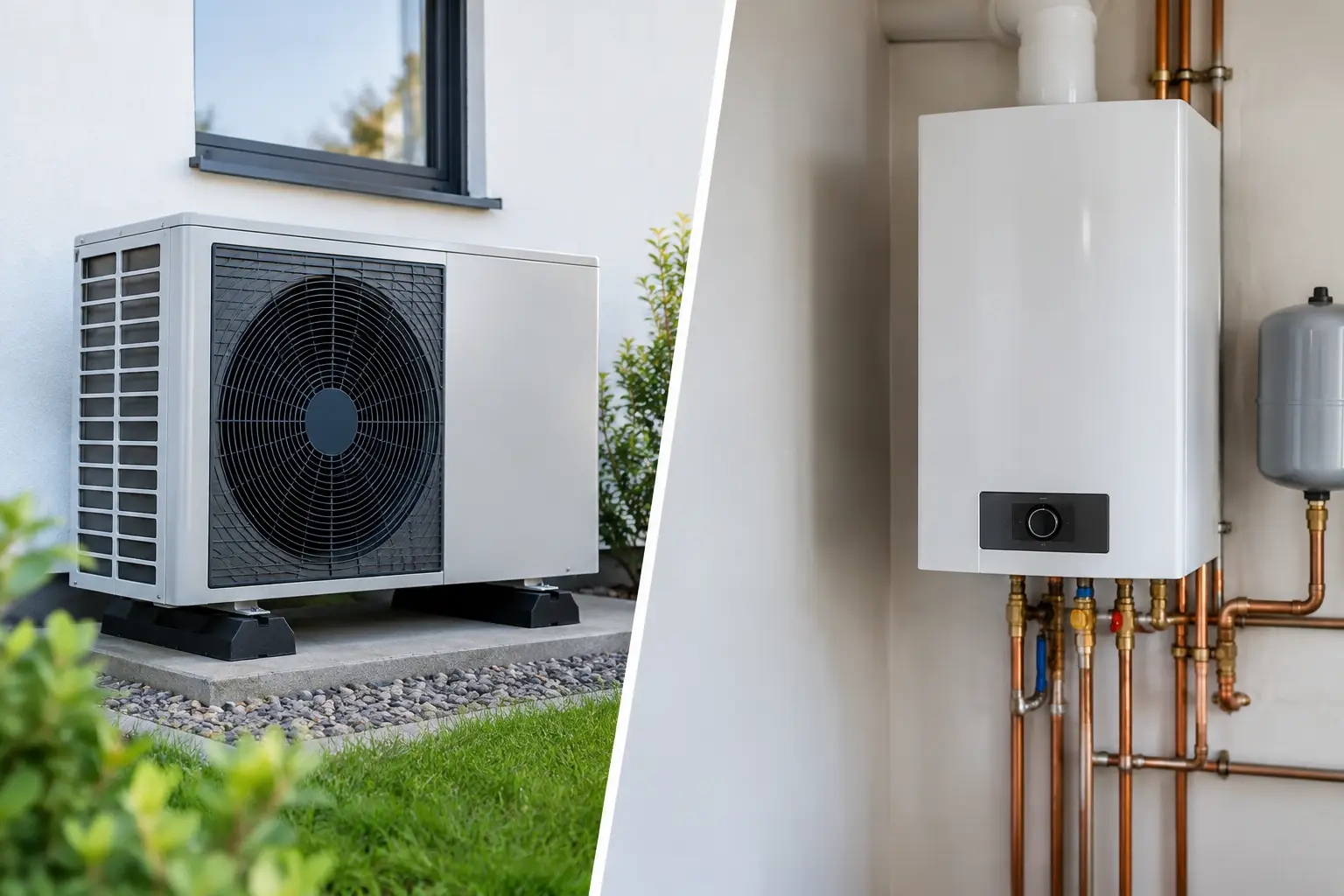
A qualification for unvented hot-water systems, often referred to as G3, is needed if you intend to install or maintain unvented cylinders. These systems operate under pressure and must be fitted safely. Many heating and plumbing businesses also pursue training in renewables, such as heat pumps, as demand changes and customers look for lower-carbon options.
Water Regulations training is also useful. It helps plumbers understand how to protect drinking-water supplies from contamination, select suitable fittings and work in line with the relevant requirements. Membership of an approved contractor scheme may add further customer confidence, particularly for work where notification, compliance and documentation matter.
Other useful areas include oil heating, LPG, commercial gas, legionella awareness and electrical competence for the limited work associated with heating controls. Each brings opportunity, but each also carries added responsibility. Build capability in stages, keep your knowledge current and only take on jobs that match your qualifications and experience.
Qualifications are only part of professional competence
Customers rarely ask only about certificates. They judge the full service: whether you arrive when promised, protect their home, explain the problem in plain English, give a fair quote and leave the work area tidy. Those standards are not separate from technical work. They are what turn a qualified tradesperson into a trusted local business owner.
You will also need to understand practical compliance. That includes safe working practices, risk assessments, appropriate insurance, accurate records, manufacturer instructions and relevant Building Regulations. If you are self-employed, you must also manage quoting, scheduling, invoicing, tax obligations and customer communication. The trade qualification gets you through the technical door; sound operating systems help you stay there.
For veterans, this is where a structured transition route can reduce uncertainty. Regimental Heating supports former Service personnel with technical learning, recognised qualifications where applicable, Gas Safe and compliance training, business systems, lead generation and ongoing mentoring. You remain the owner of your local business, with a professional framework and team support behind you.
A practical route from Service to plumbing
If you have no previous experience, focus on steady progression rather than trying to qualify for every specialist area at once. A sensible route looks like this:
- Start with a recognised Level 2 plumbing and heating qualification that includes practical training.
- Gain supervised experience and work towards workplace assessment or an NVQ.
- Progress to Level 3 as you take on more complex systems and greater responsibility.
- Add Gas Safe registration only if gas work is part of your planned service offer.
- Choose further qualifications, such as unvented hot water or renewables, to suit local demand and your business plan.
This route takes commitment. The length will vary according to your prior experience, training provider, availability for practical work and the services you intend to provide. That is not a weakness in the system. It reflects the fact that customers are placing their homes, heating and safety in your hands.
What employers and customers look for
Alongside qualifications, employers look for punctuality, a clean driving record where a van is required, practical problem-solving, basic maths, customer-service skills and the willingness to keep learning. Customers want someone who will answer the phone, keep them informed and stand behind their work.
Your military background can be a genuine commercial strength here. Planning, accountability, teamwork and composure under pressure are all highly transferable. The key is to combine those strengths with recognised trade competence, then build a reputation one completed job at a time.
The most useful first step is not trying to learn everything at once. Choose a training route with clear standards, proper practical assessment and support beyond the classroom. Build your qualifications with purpose, keep safety at the centre of every decision, and you can create a skilled trade business with independence and long-term security.