Leaving the Forces is not simply a change of job. It can mean losing the routine, team structure and clear sense of purpose that shaped daily life in service. The right veteran business opportunities should not ask you to leave those strengths behind. They should give you a practical way to apply them in a civilian career with independence, stable demand and a future you can build.
For many former Armed Forces personnel, running a local heating and plumbing business is a strong fit. Households and small commercial customers need reliable engineers, clear communication and work completed to a high standard. Those are not abstract qualities. They are the same standards that service personnel are trained to uphold.
Why veteran business opportunities need structure
Starting a business alone can look attractive from a distance. You set the direction, make the decisions and keep control of your future. But independence also brings responsibility for training, compliance, pricing, customer enquiries, scheduling, marketing, cash flow and reputation. For someone transitioning from service, dealing with all of that at once can turn a promising opportunity into unnecessary risk.
A franchise model offers a more organised route. You still own and run your local business, but you do so with a recognised operating framework, support systems and people to call on when decisions need to be made. It is not a shortcut, and it does not remove the need for commitment. It does provide a proven structure for turning effort into progress.
That distinction matters. A sound opportunity should help you develop the competence to do the work safely, the confidence to speak with customers professionally and the commercial awareness to manage a business responsibly. It should also give you a realistic view of what the work involves, including early starts, administration, customer expectations and the discipline required to build a reputation locally.
A trade business built on service values
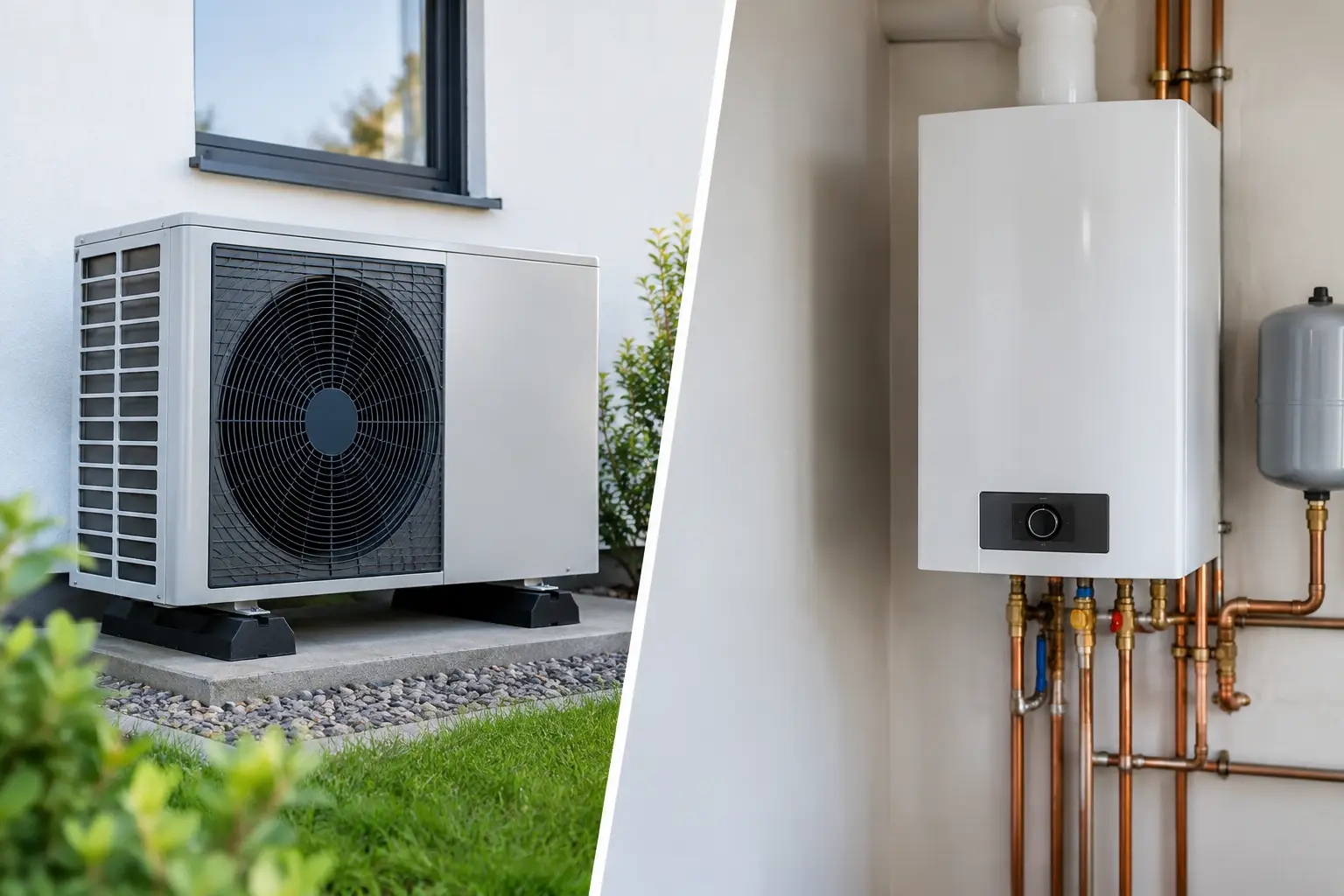
Heating and plumbing are practical industries with long-term demand. People need heating systems maintained, faults diagnosed, boilers repaired and plumbing issues resolved. When customers have a problem, they want a capable professional who arrives when promised, explains the work clearly and treats their home or premises with respect.
Military experience can be a genuine commercial advantage here. Reliability is remembered. Calm decision-making under pressure builds trust. Attention to process helps protect quality and safety. Leadership supports good customer communication, whether you are working independently or eventually building a team around your business.
The transition is not about pretending that military service automatically makes someone a qualified engineer. Technical competence must be earned through proper training, assessment and experience. The opportunity lies in combining recognised trade skills with the habits already developed in service: preparation, accountability, integrity and a refusal to cut corners.
You do not need a previous trade background
A common concern is that heating and plumbing may be closed to anyone without prior engineering experience. It is not. A properly designed pathway can take someone from beginner level through technical training, relevant industry qualifications and the practical foundations needed to work professionally. Where gas work is part of the service offering, the route must also include the appropriate Gas Safe and compliance training.
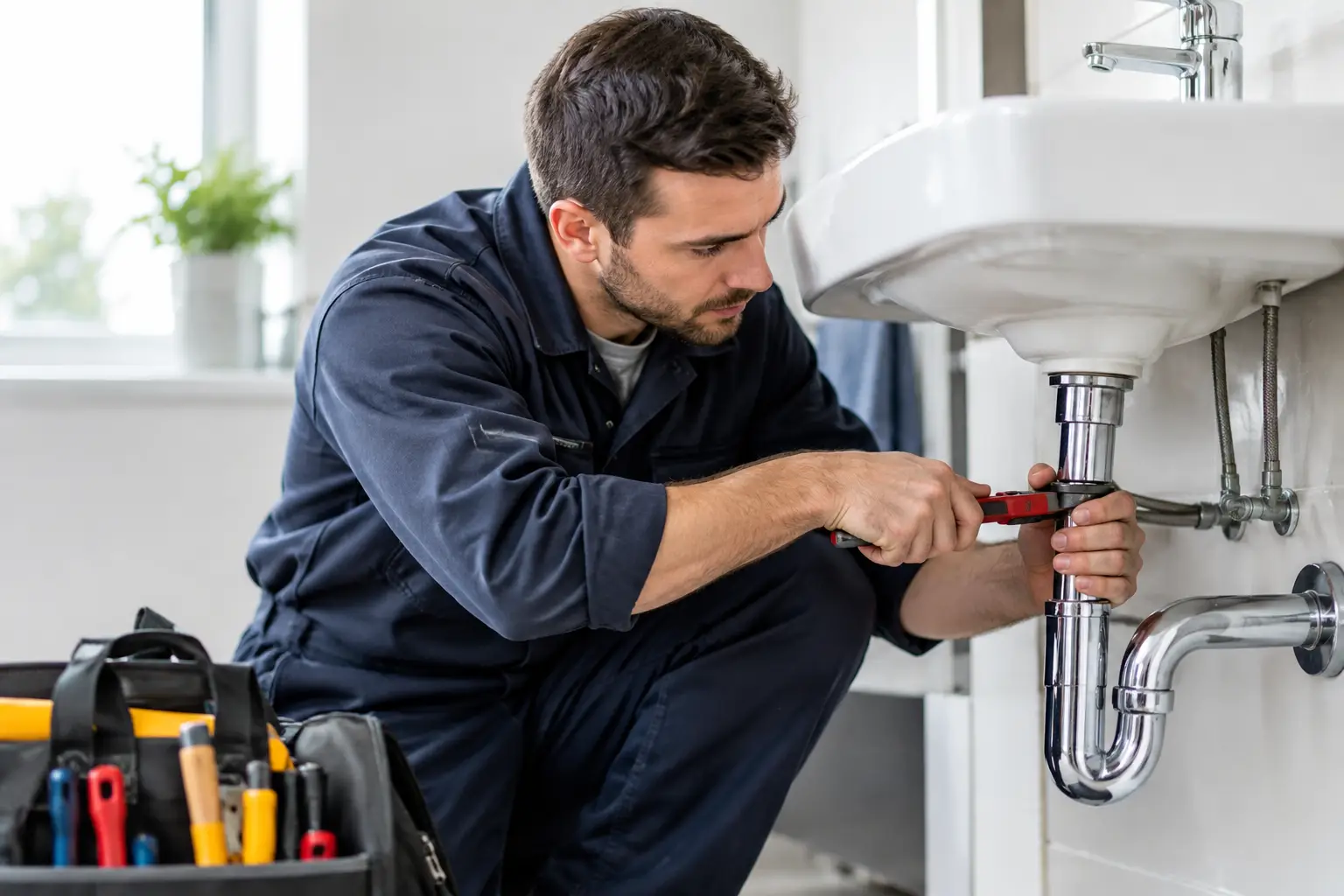
Training should be more than a classroom exercise. You need to understand safe working practices, fault finding, customer care, job planning and the standards expected in occupied homes. You also need to know when a task sits outside your current competence and requires further support. That is professional judgement, not weakness.
What a supported franchise pathway should include
Not every franchise offers the same value. Before committing time or capital, look closely at what is genuinely included and what remains your responsibility. A good transition model should provide more than a logo on a van. It should help you establish a functioning business with defined standards.
For a veteran entering heating and plumbing, the essential support normally includes technical training and qualifications, guidance on compliance, practical business setup and help creating a credible local presence. It should also cover the day-to-day systems that often decide whether a small business feels controlled or chaotic.
This may include:
- Training that builds technical capability from the ground up, with a clear progression plan.
- Guidance on applicable safety, compliance and industry requirements.
- Financial forecasting and practical support with pricing, costs and business planning.
- Marketing assistance and lead-generation activity to help create local awareness.
- Booking, job-management and customer-service software that keeps work organised.
- Ongoing mentoring from people who understand both the trade and the realities of business ownership.
These tools do not replace personal effort. They make that effort more focused. Instead of spending months trying to choose software, write processes, test marketing messages and work out how to present your services, you can begin with a structured operating base.
Independence with a chain of support
There is a difference between employment and franchising. As a franchisee, you are not simply taking a role within somebody else’s company. You operate an independently owned local business. Your results will depend on the standards you set, the relationships you build and the decisions you make.
At the same time, you should not be expected to work in isolation. Many veterans value the fact that a strong franchise network retains an element of team support without taking away ownership. There is a common mission, defined ways of working and access to experienced guidance, while the local business remains yours to grow.
That balance can be particularly valuable during the first year. There will be unfamiliar moments: quoting for work, managing a customer complaint, organising your diary, responding to a quiet period or deciding when to invest in equipment. Having a framework and an experienced point of contact can make the difference between reacting under pressure and making a measured decision.
Choosing the right opportunity for your next chapter
The best veteran business opportunity is not necessarily the one that makes the biggest promises. Be cautious of any offer that suggests business ownership is easy, immediate or guaranteed. Every local market is different. Income takes time to build, and your personal circumstances, available funding, effort and location will affect the outcome.
Ask direct questions. How long does the training take? Which qualifications are included? What support is available after launch? How are leads generated, and are there any additional costs? What are the ongoing fees? What does a realistic first year look like? A reputable organisation will welcome scrutiny and give clear answers rather than relying on vague claims.
It is also worth considering whether the business reflects your values. A veteran-focused model should understand the transition from service to civilian life, not merely use military language in its marketing. It should recognise that a career change affects confidence, family life and identity as well as income. It should be committed to helping people build a sustainable future.
Regimental Heating is built around that principle: a structured route from Service to Success for veterans, serving personnel leaving the Forces and reservists who want to build an independent heating and plumbing business with professional support behind them. The aim is not to remove the challenge of ownership, but to make the route clearer, safer and more purposeful.
Build credibility one job at a time
A successful local trade business is built through repeated proof. Turn up when you say you will. Communicate clearly. Work safely. Leave the property tidy. Explain what has been done and what the customer should expect next. These small actions create referrals, reviews and repeat work.
Your service background has already taught you the value of standards when nobody is watching. In civilian business, that same mindset becomes your reputation. It can become the reason a customer recommends you to a neighbour, a landlord calls you again or a small commercial client trusts you with further work.
The next chapter does not need to mean starting without direction. With proper training, sound systems and the willingness to learn a new trade, business ownership can offer the independence many veterans want without sacrificing the structure and purpose they value. Choose a route that respects your service, prepares you properly and gives you the support to earn trust in your local community.